
Stop guessing.Start tracking.
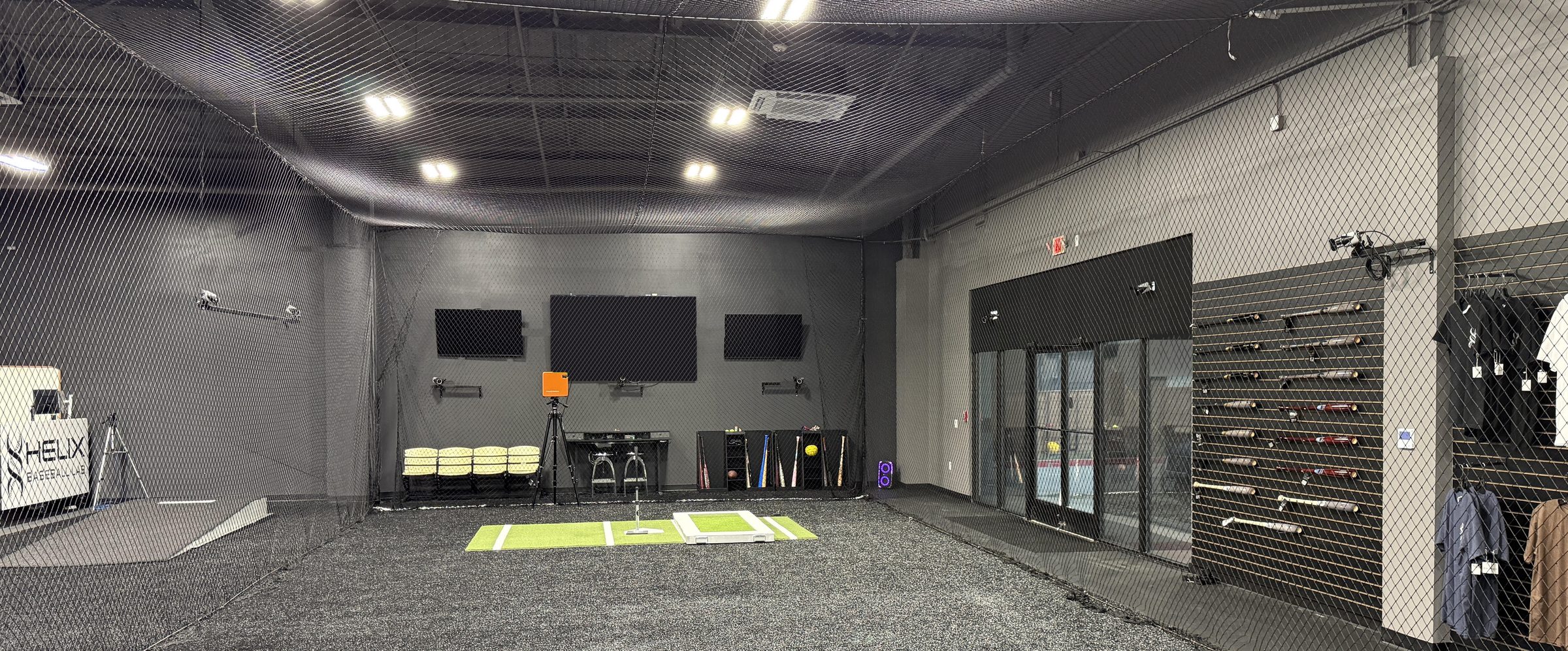
Helix pairs MLB-grade technology with coaches who learned hitting the old-school way. Every moving part of your swing is tracked in 3D, from your feet to the barrel, so you see the things that actually matter in your swing and what makes it yours: your Swing DNA.
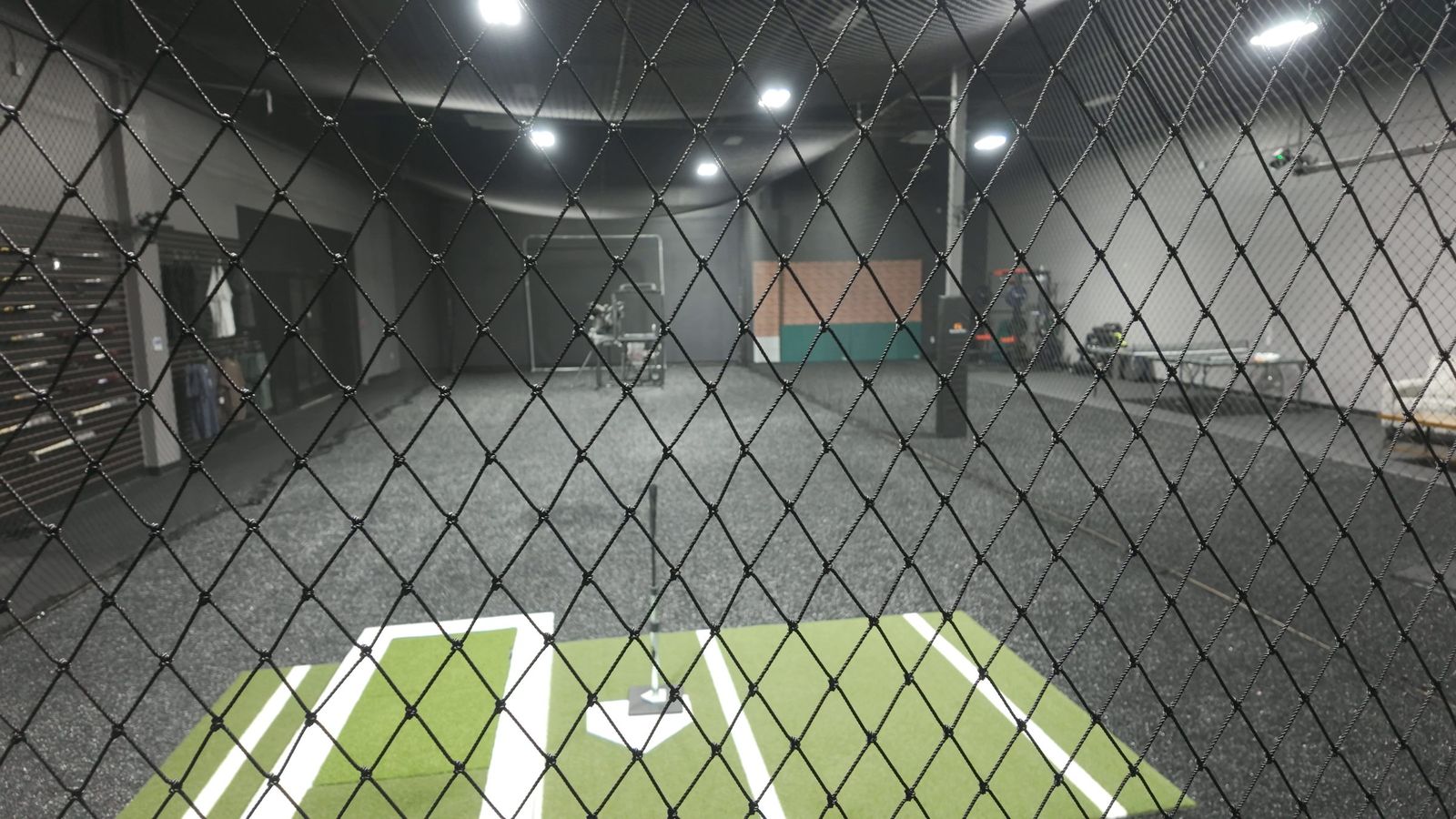
Mocap, force plates, bat tracking, ball tracking and video all record together.
What the numbers are for
Most hitting reports hand you a page of numbers and leave the rest to you. Helix connects the measurements so they answer three questions about your swing:
What happened?
What your body, the bat and the ball actually did.
Why did it happen?
Which movements and forces caused it.
What should you work on?
The one or two changes most likely to help.
- Body
- Force
- Bat
- Contact
- Ball
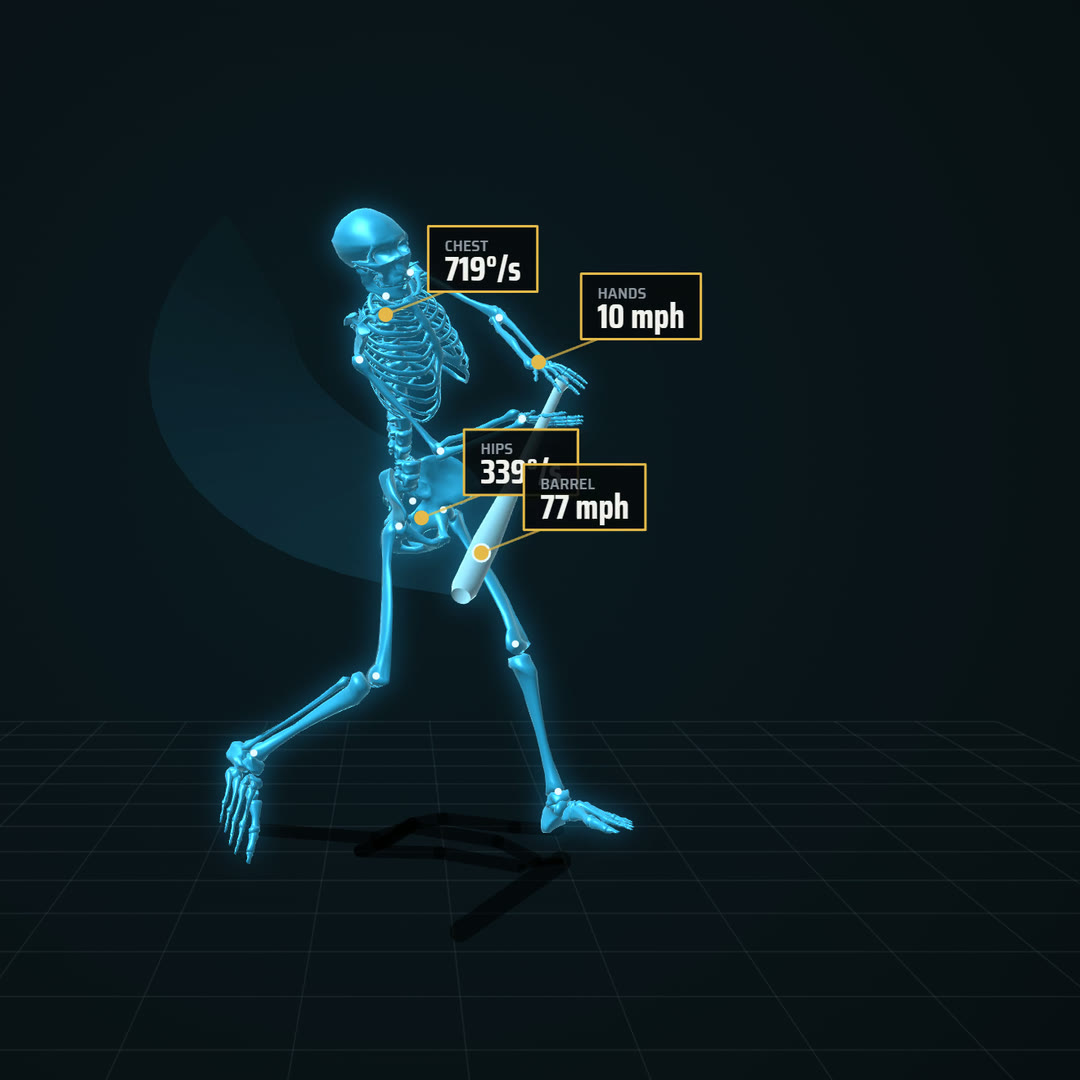
Each part of the swing feeds the next. How you move changes the force you put into the ground. That force changes what the bat does, and the bat decides what happens to the ball. Helix calls that chain your Swing DNA.
What Helix measures
Mocap — Motion
How did you move?
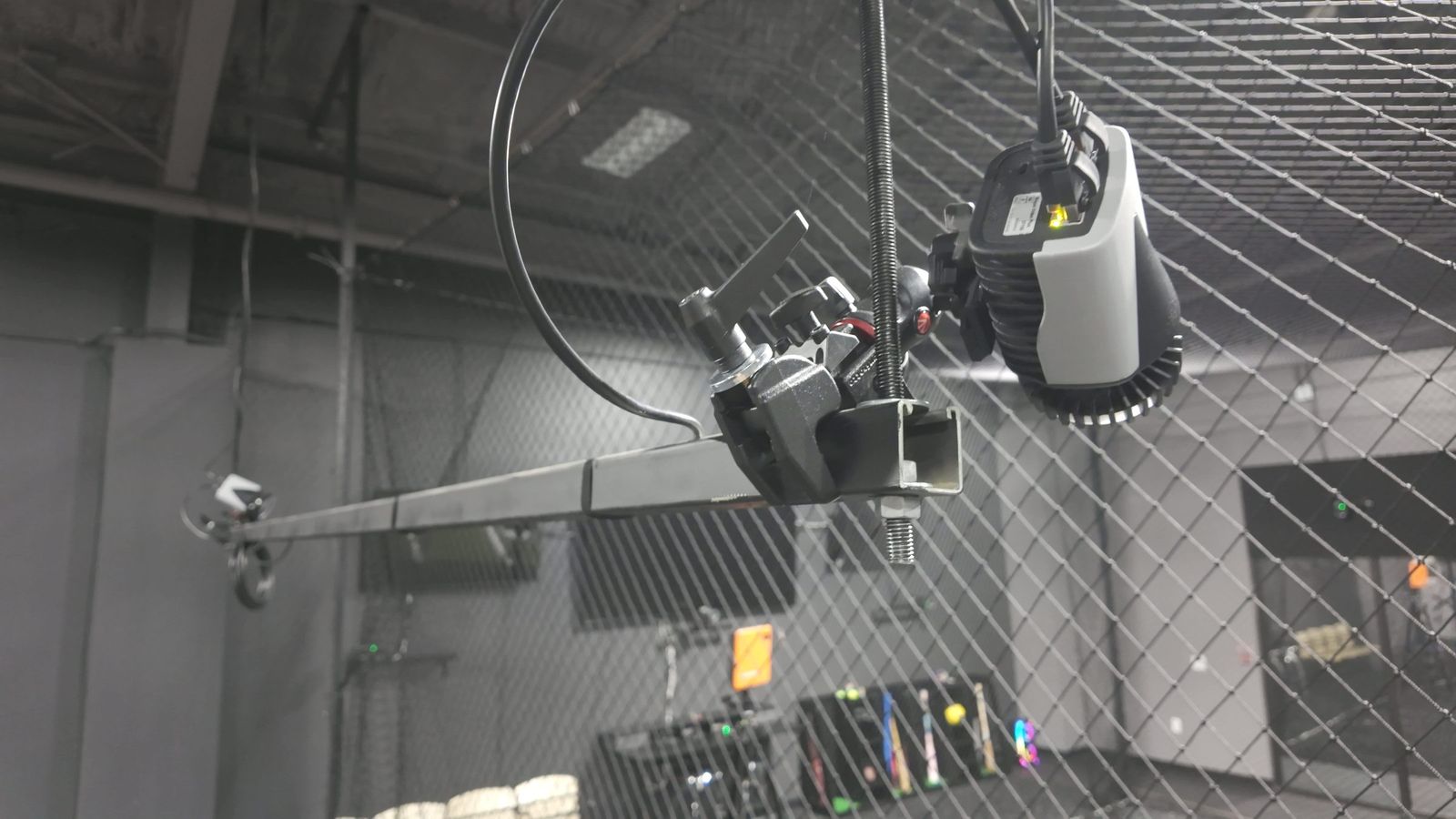
High-speed cameras track your whole body in 3D, from the start of your load through contact.
Force
How did you use the ground?
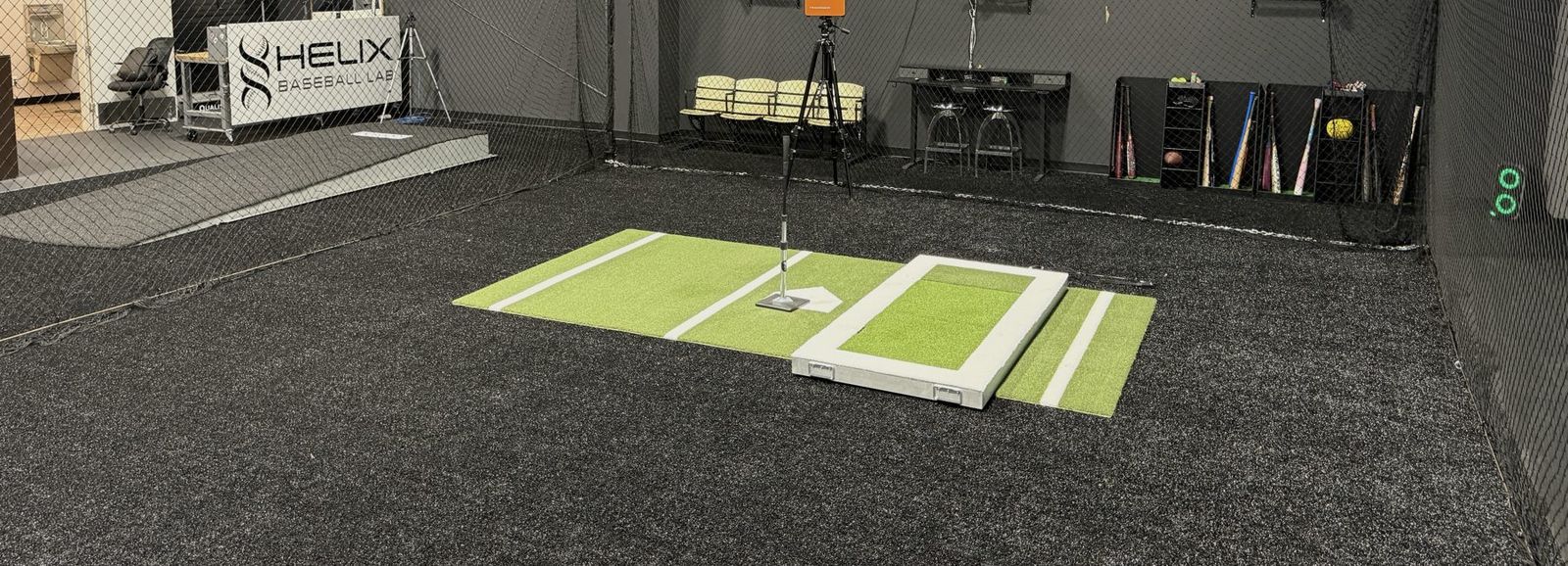
Force plates show when you push into the ground, how hard and in which direction.
Bat
What did the bat do?
Bat speed, attack angle and swing path on every swing.
Ball
What happened to the ball?
Exit velocity, launch angle, spin and direction.
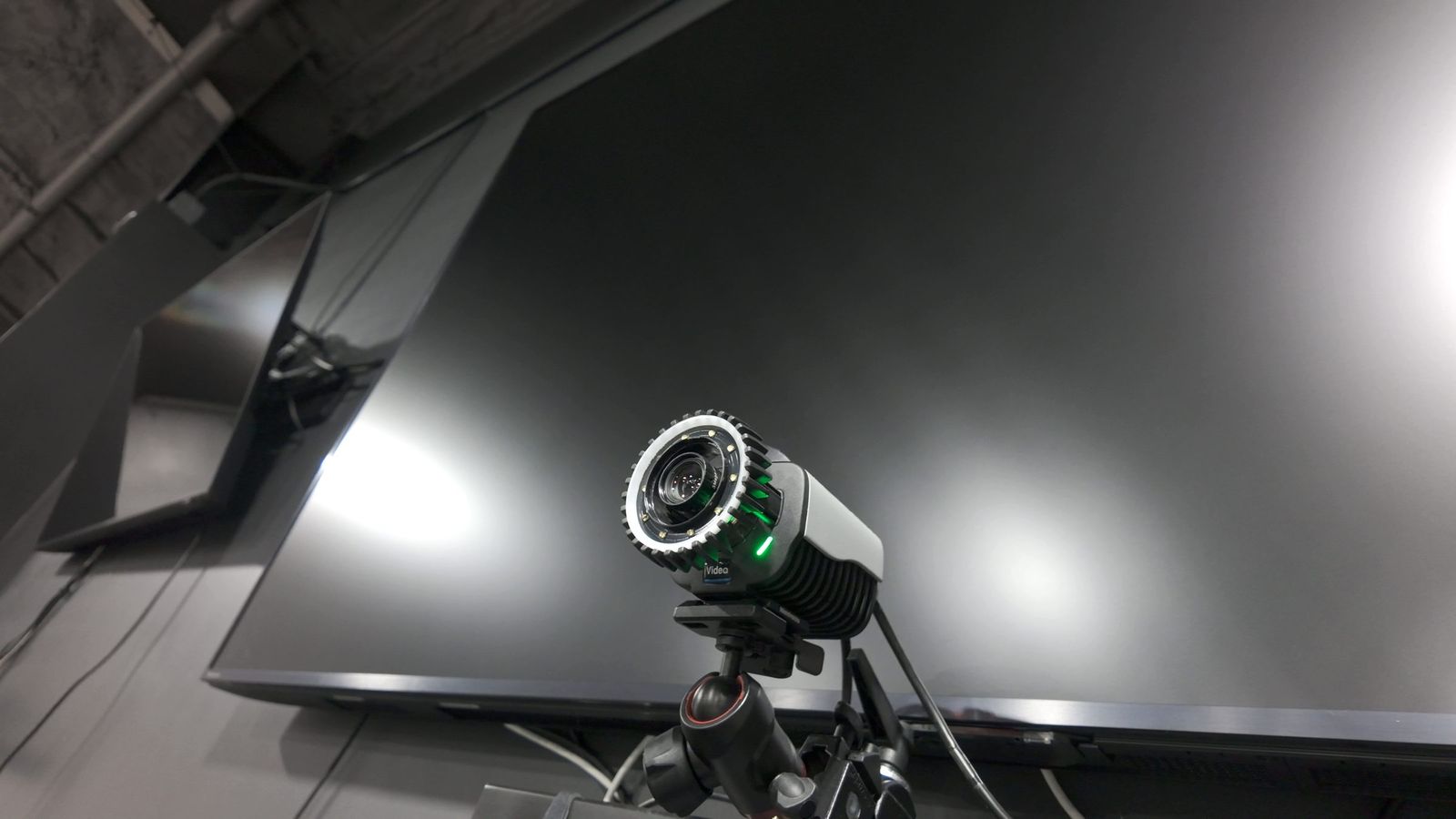
Video
What did contact look like?
High-speed video of where the ball met the barrel, and whether you were early or late.
The Swing Audit
After your session, Helix builds your Swing Audit, an interactive report made from your own 3D motion data. It splits the swing into five phases and gives each one its own page.
- 01
Gather
Loading into your back side.
- 02
Stride
Moving toward the pitcher.
- 03
Front Foot Down
The front foot lands and rotation starts.
- 04
Acceleration
Hips, torso, arms and bat speed up in turn.
- 05
Contact
The bat meets the ball.
Tap any measurement and the 3D model plays the movement it came from. You can pause, step through it frame by frame and turn the model to any angle.
What you take home
You also get a written report in plain language. It covers:
- Your swing, phase by phase
- The measurements that matter and what they mean
- How your numbers compare with reference ranges
- What's working
- What's holding you back
- Your training priorities
- The numbers to track from here
After the assessment
The assessment tells you what to work on. Training is where you work on it, and re-testing shows whether it worked.
Assess
Two visits. On the first, Helix records your swing on all five systems. On the second, you sit down with the Helix team, go through the results, try the first changes in the cage and leave with a written plan.
About 3–4 weeks later you come back for a re-test to see what changed.
Train
Training sessions are planned from your assessment results.
Helix Remote: If you train somewhere else, Helix updates your plan and checks in with you from the lab.
Re-test
Every re-test is measured the same way as your first session, so you can compare the numbers directly.
Built for hitters who want answers
Professional
Detailed swing analysis and offseason development.
College
A clear picture of your swing and what to develop next.
High School
Good movement habits early, and a clear idea of what to improve.
Pro teams, scouts and college programs already measure players. Helix makes sure you see your own numbers and understand them.
See what your swingis actually doing.
Book an assessment and find out what to work on next.